TURN MATH PRACTICE INTO A FAST-PACED GAME
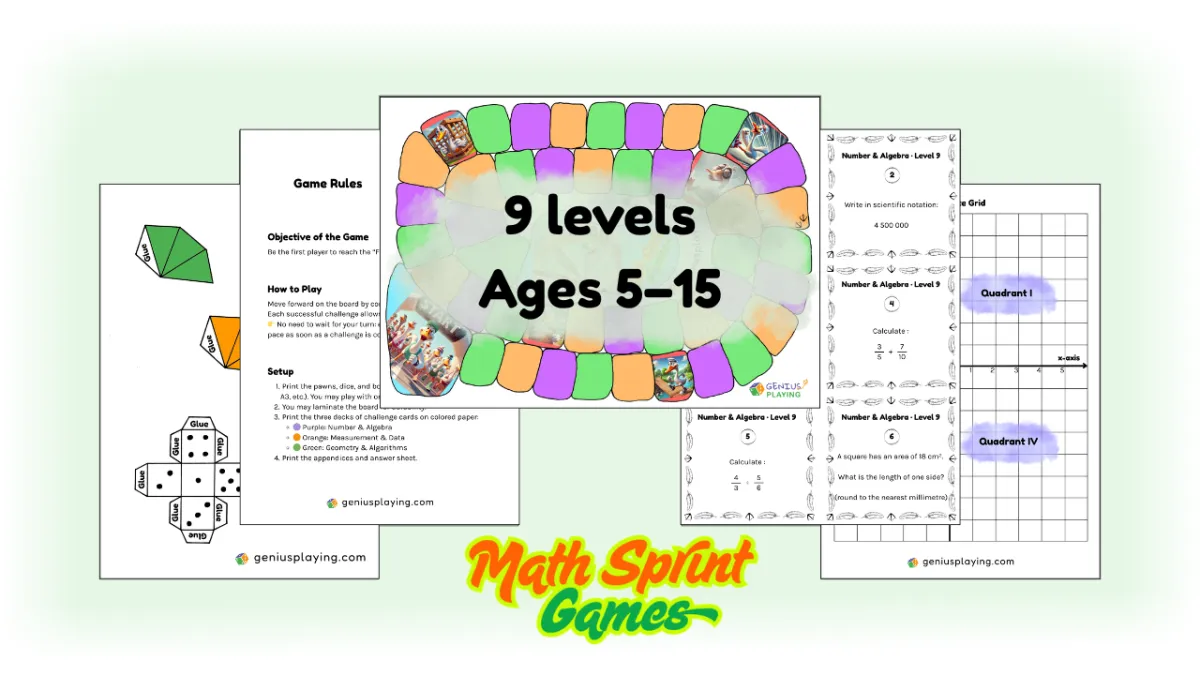
Replace boring math worksheets
with playful challenge rounds
your child actually wants to solve
— without pushing, nagging,
or turning math into a daily battle.
540 printable math challenges across 9 progressive levels for ages 5–15,
designed to support discovery, practice, and reuse at the learner’s own pace.
This Game Will Help You:
• Turn math practice into a fast-paced board game: So children stay engaged long enough for real learning to happen.
• Create dozens of practice moments in a single game session: So math skills strengthen through natural repetition.
• Offer one game that evolves across 9 learning levels: So your child can keep using it year after year.
How I Turned Math Resistance Into Playful Progress
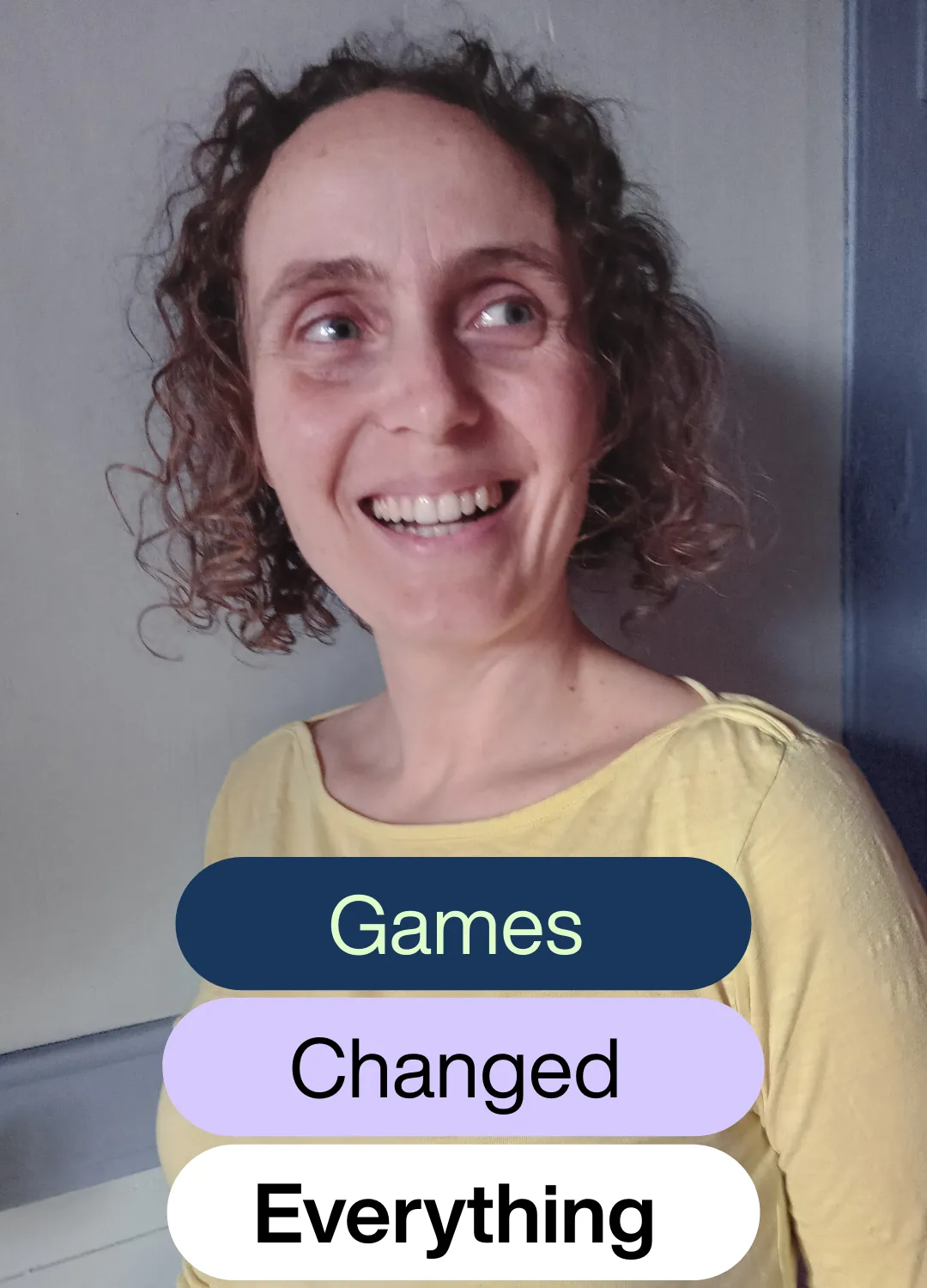
When we started homeschooling, my son didn’t want to write anymore. Anything that looked like school was rejected immediately, and every activity became a struggle.
Then I noticed something: when we played games, the resistance disappeared and learning started happening again.
I began searching for educational games, but none really fit what I needed — so I started creating my own.
The result was incredible.
My son caught up faster than ever, and today we spend only a fraction of the time we used to spend on math.
That’s how Math Sprint Games was born.
WHO IS MATH SPRINT GAMES FOR?
The homeschool mom who’s tired of math worksheets:
You want math practice that keeps your child engaged without constant reminders or pressure.
The parent who values a peaceful learning environment:
You want learning to happen without daily battles over writing or school-like work.
The family that prefers learning through play:
You know children often learn faster when curiosity and challenge lead the way.
The parent looking for flexible math practice:
You want a game your child can revisit across years, growing through levels at their own pace.
The Slowest Way to Make Math Progress
• Print more worksheets when attention fades:
This creates fatigue, not focus — children push through a few problems, then mentally check out.
• Explain the same concept again and again:
Longer explanations rarely solve disengagement; they often make math feel heavier instead.
• Push through resistance because math “still needs to be done”:
Practice becomes a daily negotiation, and math slowly turns into a source of tension.
You’ve been taught that math progress comes from more practice and more explanation.
But what often moves children forward faster is momentum and curiosity.
That’s exactly what my games create.
WHAT YOU GET
THE GAMES INCLUDE:
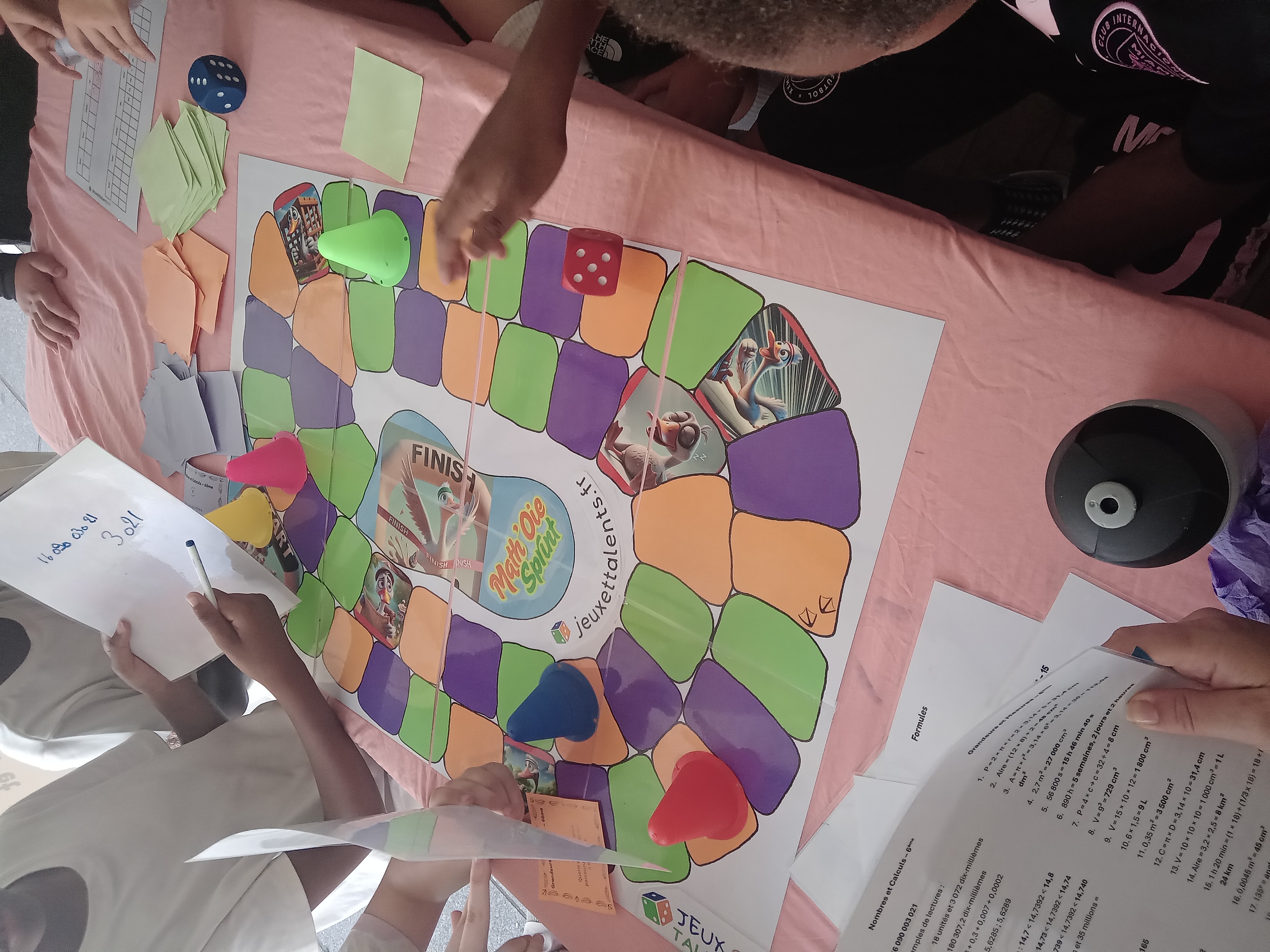
540 Math Challenges Across 9 Progressive Levels:
Each level builds on the previous one, gradually evolving in complexity so children can grow naturally from early math practice to more advanced problem-solving.
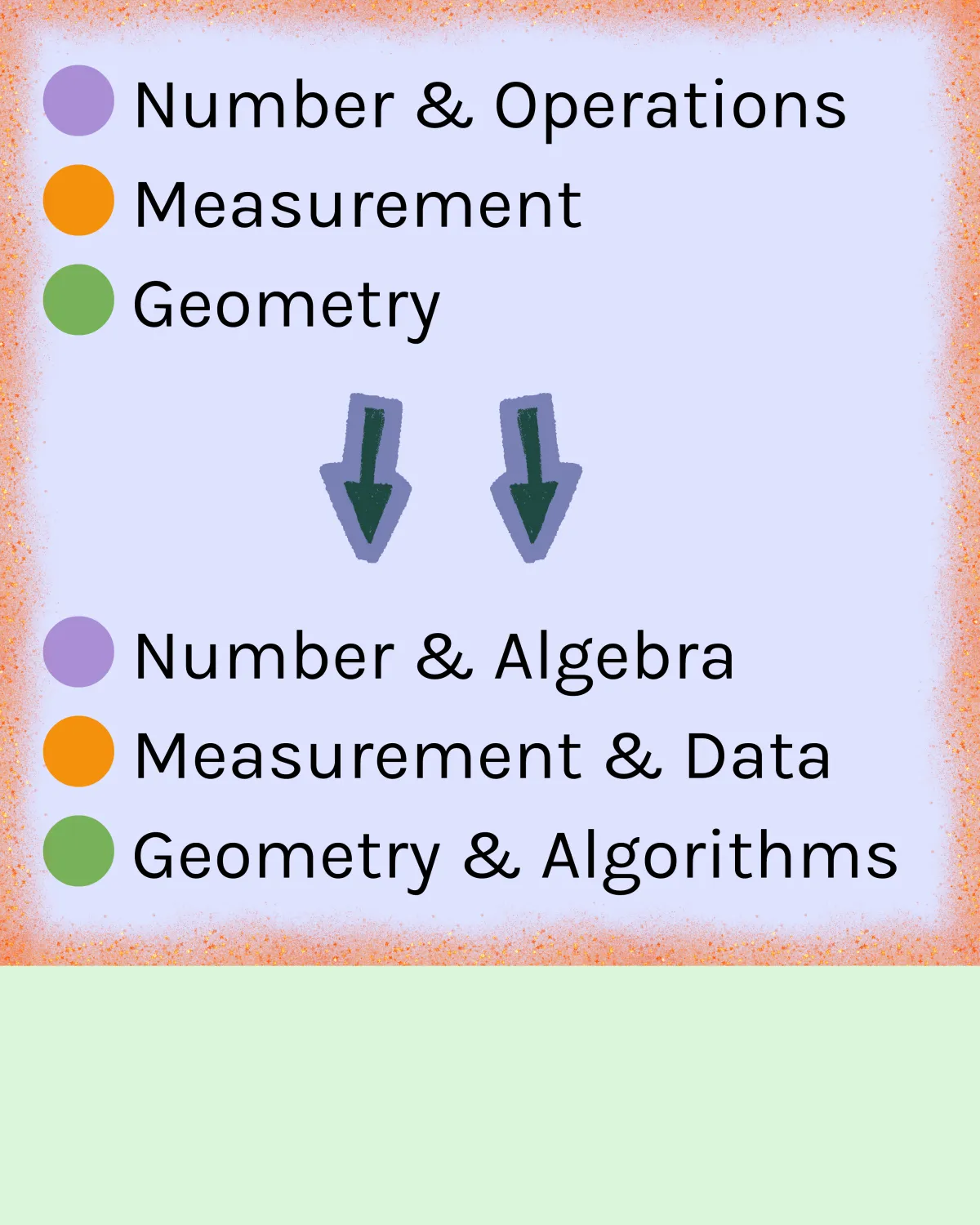
Three Core Math Domains Per Level:
Challenges span key areas of mathematics that evolve as learners progress, allowing the game to support ages 5–15 without being locked to rigid grade standards.
A Playable Board Game System:
Players move across the board by solving challenges, creating a fast-paced rhythm where practice happens naturally through gameplay.
Printable Game Components:
Game board, challenge cards, pawns, dice, rules, and answer sheets — everything you need to print and start playing immediately.
Built-In Learning Supports:
Visual tools like grids, conversions, and geometry aids ensure no one stays stuck during the game.
Answer Sheets for the Adult Guide:
So parents can enjoy the game with their child instead of pausing the fun to correct answers.
REGULAR PRICE: €63 (≈ $55 USD)
TODAY'S PRICE : €47 (≈ $73 USD)
PARENTS LOVE OUR APPROACH!
Corinne takes time to understand each child and adjusts her approach accordingly. That’s something we appreciated across the different times Bunny worked with her.

Corinne’s guidance helped us build a curriculum that truly fits her strengths and needs. We knew school wasn’t working for our daughter, but we didn’t know where to start.

Corinne supported our daughter Luce during her first year of primary school in an alternative education setting. She gently helped her begin reading with calm, patience, and deep respect for her own pace.

What I loved most was seeing my daughters come home every day, beaming, eager to share their adventures. Corinne has a real gift for creating connection, a sense of magic, and an atmosphere where children feel truly at ease.

My children absolutely loved their time with Corinne. The camp she organized was so much more than just a holiday — for 11 days, my little ones were immersed in a magical world. It’s been four years now, and they still talk about it with stars in their eyes.

Corinne doesn’t just organize activities — she offers a true experience. Her perspective on childhood, her way of awakening the imagination, of weaving narrative threads… all of this turns her programs into rich, sensitive, and deeply human moments.

A SIMPLE GAME CAN CHANGE
HOW MATH PRACTICE FEELS AT HOME
Daily math battles:
A game-based format replaces pressure
with playful challenge rounds so children stay engaged
without constant reminders.
Endless worksheets:
Challenge cards create varied practice situations
that keep math active and interesting.
Games that feel fun but lack real practice:
Every challenge is built around essential math skills
so children strengthen real understanding while playing.
Parents stuck correcting instead of guiding:
Answer sheets let you support your child’s thinking
without interrupting the flow of the game.
MEET YOUR EDUCATIONAL GUIDE
CORINNE BARRON
For more than a decade,
I worked as an elementary school teacher.
During those years, one thing became increasingly clear to me: children don’t all learn in the same way
— and they certainly don’t learn at the same pace.
Over time, I became deeply interested
in alternative approaches to education:
learning through play, movement, exploration,
and real-world experiences.
Later, when I began homeschooling my own child,
this conviction became even stronger.
Education works best when it adapts to the learner
— not when the learner is forced to adapt to the system.
Today, I create educational resources and support families
who want to build learning environments
that truly fit their children.
Because meaningful learning doesn’t grow from pressure.
It grows from curiosity, engagement,
and experiences that make children want to keep learning.